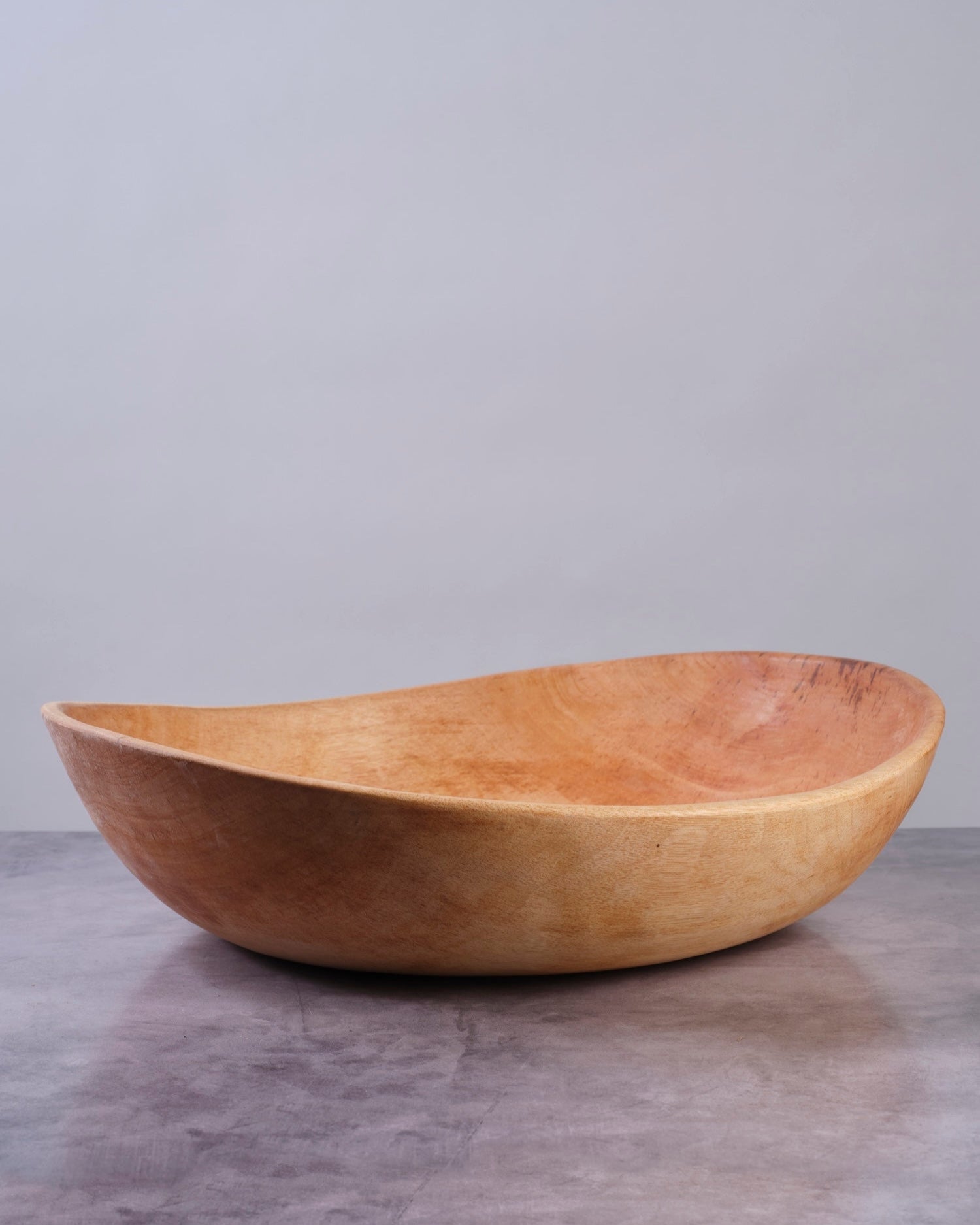
There is a distinct, almost primal comfort in holding a wooden bowl. Unlike the cold, hard surface of ceramic or porcelain, hardwood possesses a living warmth—a weight and texture that grounds us in the present moment. At TerraKlay, we believe that the vessel you serve your food in is just as important as the ingredients you cook with.
When it comes to serving pasta, a handcrafted hardwood bowl transforms a simple weeknight dinner into an artisanal experience. The natural grain of of our hardwood bowls provide a lovely backdrop to the vibrant yellows of egg noodles or the rich reds of a slow-simmered ragù. However, wood is an organic material that breathes and reacts to its environment. To ensure your TerraKlay heirloom pieces last for generations, there are critical nuances regarding temperature and liquid content that every home chef must respect.
To understand how to care for your bowl, one must understand the material. Hardwood is cellular; it expands when it encounters moisture and heat, and contracts as it cools and dries.
While a TerraKlay bowl is robust, it is designed for warm, solid foods, not boiling liquids. This distinction is vital. Let your pasta cool slightly. The wood can gracefully handle this warmth.
However, scalding hot liquids are the enemy of longevity.
We often get asked if our bowls can handle soups or stews. The honest answer—driven by our desire to protect your investment—is no.
Pouring boiling hot soup directly into a wooden bowl creates a "perfect storm" for damage:
High Heat Retention: A large volume of liquid holds boiling temperatures much longer than pasta does.
Rapid Expansion: The intense, sustained heat causes the wood fibers to expand rapidly and forcefully.
Thermal Shock: If the bowl is at room temperature and is suddenly hit with boiling liquid, the stress can cause the wood to split or crack instantly.
The Golden Rule: Use your hardwood bowls for warm pasta, salads, or grain bowls. Save the piping hot soups for ceramic vessels, perhaps served alongside a wooden salad bowl to maintain the aesthetic balance of the table.
To protect your investment and ensure your hardwood bowls remain centerpieces of your table, follow these guidelines.
DO Let Food Rest: Allow your pasta to rest in the pan for a minute after tossing it with sauce before plating. Serving the food warm rather than piping hot is safer for the wood and arguably better for the palate.
DO Prepare the Wood: Before scooping in a warm meal, ensure your bowl is well-conditioned. If the wood looks dry or "thirsty," give it a quick rub with a food-safe mineral oil or beeswax conditioner. This creates a barrier against moisture and staining sauces.
DO Wash Promptly: Once the meal is finished, rinse the bowl. Do not let acidic tomato sauces sit in the bowl overnight, as the acid can break down the oil finish and penetrate the grain.
DON'T Serve Scalding Soups: As mentioned, high-volume, boiling liquids cause rapid expansion and cracking.
DON'T Soak the Bowl: This is fatal to wood. Never leave a wooden bowl submerged in water in the sink. The wood will absorb the water, swell, and eventually warp or crack as it dries.
DON'T Microwave: Never put a wooden bowl in the microwave. The moisture inside the wood can boil, causing the bowl to split instantly.
DON'T Use the Dishwasher: The high heat, harsh detergents, and extended water exposure of a dishwasher strip the natural oils and destroy the finish.
As a purveyor of quality goods, ensuring your product is not damaged comes down to a routine of "intentional maintenance." Think of your hardwood bowl not as a dish, but as a piece of furniture for your table.
The Cleaning Ritual
Wash your bowl by hand with warm water and a mild soap. Use a soft sponge—never a steel wool scourer. Rinse it thoroughly and, most importantly, towel dry it immediately. Do not let it air dry while wet, as standing water raises the grain of the wood, making it feel rough.
The Conditioning Routine
If you use your bowls often for warm foods like pasta, the heat will dry out the wood faster than cold salads will. You should condition them frequently. Use food-quality mineral oil. Let it soak in for a few hours (or overnight), and buff off the excess with a soft cloth.
Serving pasta in a TerraKlay hardwood bowl is a choice to slow down and savor the craftsmanship of the everyday. By respecting the material—understanding that it prefers warmth over scalding heat—you ensure that your bowl will not only survive the meal but will grow more beautiful with every dinner party, becoming a true heirloom of your home!