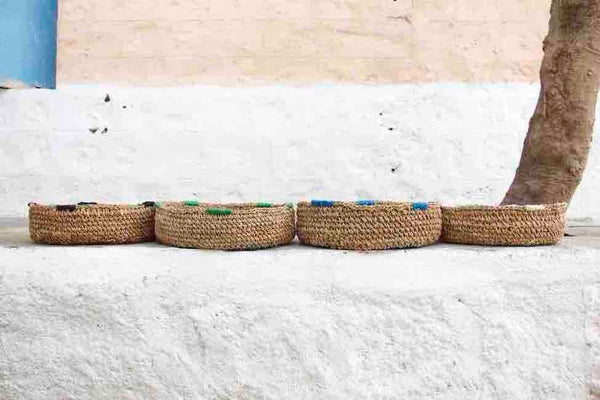
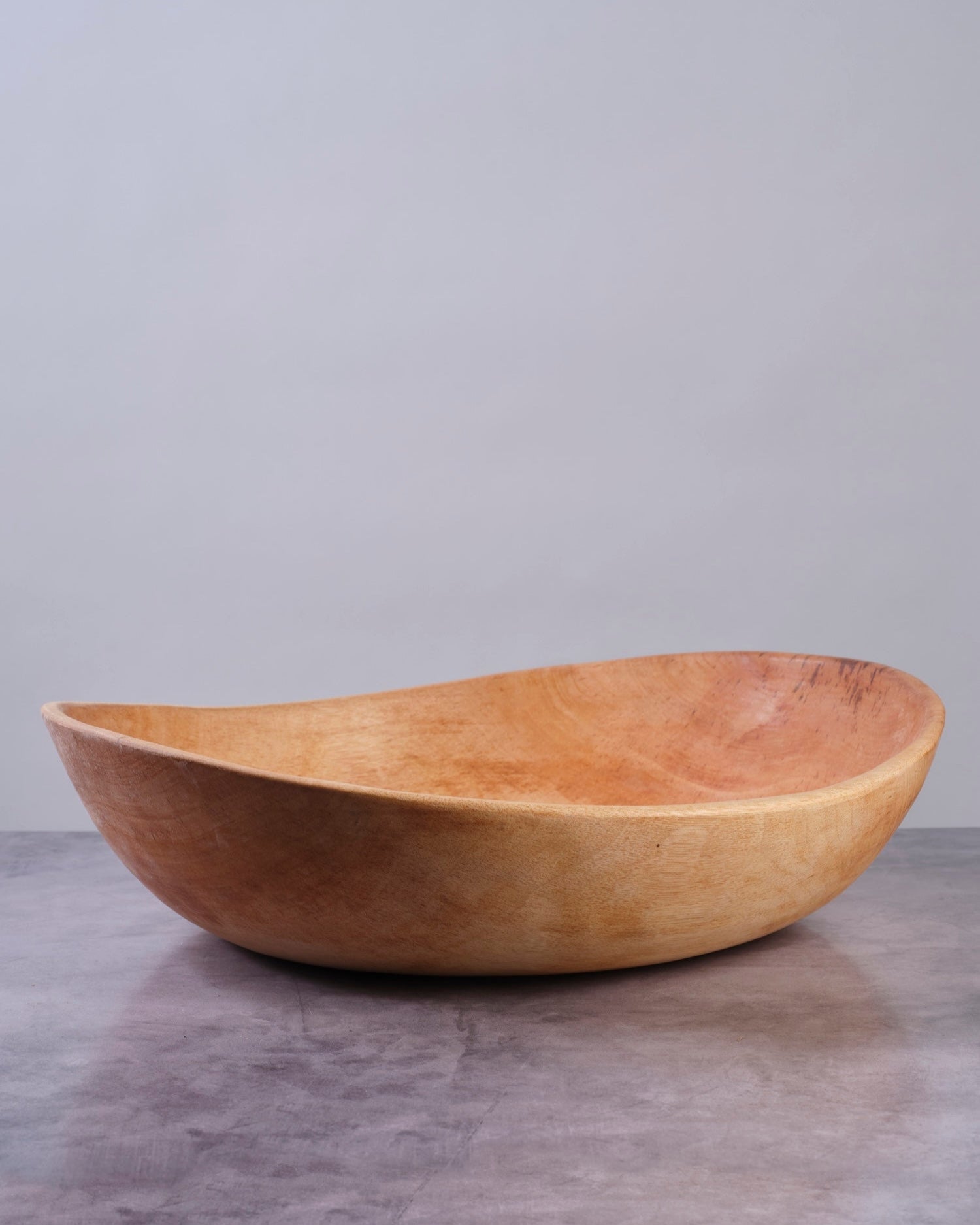
The best hostess gift is something the host will use and would not have bought for themselves. In practice that means table linens, a serving piece, or something consumable and good — not candles, not another vase, and not wine unless you know what they drink. For a housewarming, buy for the room they have not finished yet.
By Manvee Vaid, founder of TerraKlay · September 2026
Gift guides usually sort by product. This one sorts by the situation you are actually in, because "what do I bring on Friday" and "what do I send a couple who just bought a house" are different problems with different budgets.
Budget: under $50. The constraint here is that the host is cooking and does not want a task. Nothing that needs arranging, refrigerating or thanking for at length.
What not to bring: cut flowers, which need a vase and water in the middle of service; a scented candle, which is a strong opinion about someone else's house; and a bottle chosen from the middle shelf, which the host will quietly re-gift.
Budget: $50–$150. The rule that never fails: buy for the room they have not finished yet. New houses get furnished from the outside in — sofa first, kitchen last — so the good gift is almost always a table or kitchen object, six months before they would have got round to it.
Budget: $150+. Here the thing to optimize for is longevity. A wedding gift is being chosen against a registry full of things that will be replaced in eight years, so the win is buying something that will not be.
The small-budget gift is the hardest, because the temptation is to buy a small version of a big thing. Better to buy the full version of a small thing: four good napkins rather than one good bowl's worth of nothing, a pair of proper tea towels rather than a single decorative one. A complete set at $30 outclasses a fragment at $60.
They do not have good napkins. Almost nobody does — it is the classic gap between what people own and what they would enjoy owning, because it is a purchase that never rises to the top of anyone's own list. The same is true of a table runner and a proper apron.
The other reliable move for this person is provenance: a piece with a story that they can tell at their own table. Something made by hand by someone with a name gets mentioned at dinner in a way a well-designed object from a large shop does not.
Cloth napkins, tea towels, or a serving piece. All three get used, none require the host to do anything on the night.
$25–$50 for dinner at a friend's. More looks like an obligation rather than a thank-you, which puts the host in your debt — the opposite of the intention.
Something for the room they have not furnished yet, which is nearly always the kitchen or the table. A runner, a serving bowl, or a set of linens.
They are one of the best, for a specific reason: high use, low self-purchase. People are glad to own them and slow to buy them.
That it lasts and gets used — far more than what it is made of. A durable object in daily use for twenty years beats a compostable one replaced every year. After that, look at how it was made and who was paid: our guide to checking a fair trade claim covers what to ask.
Cut flowers on the night (they create work mid-service), scented candles (too personal), and anything that needs to be used immediately.
Most of the gifts above are table linens and kitchen and dining pieces, made by hand by artisan partners we work with directly.
Comments will be approved before showing up.