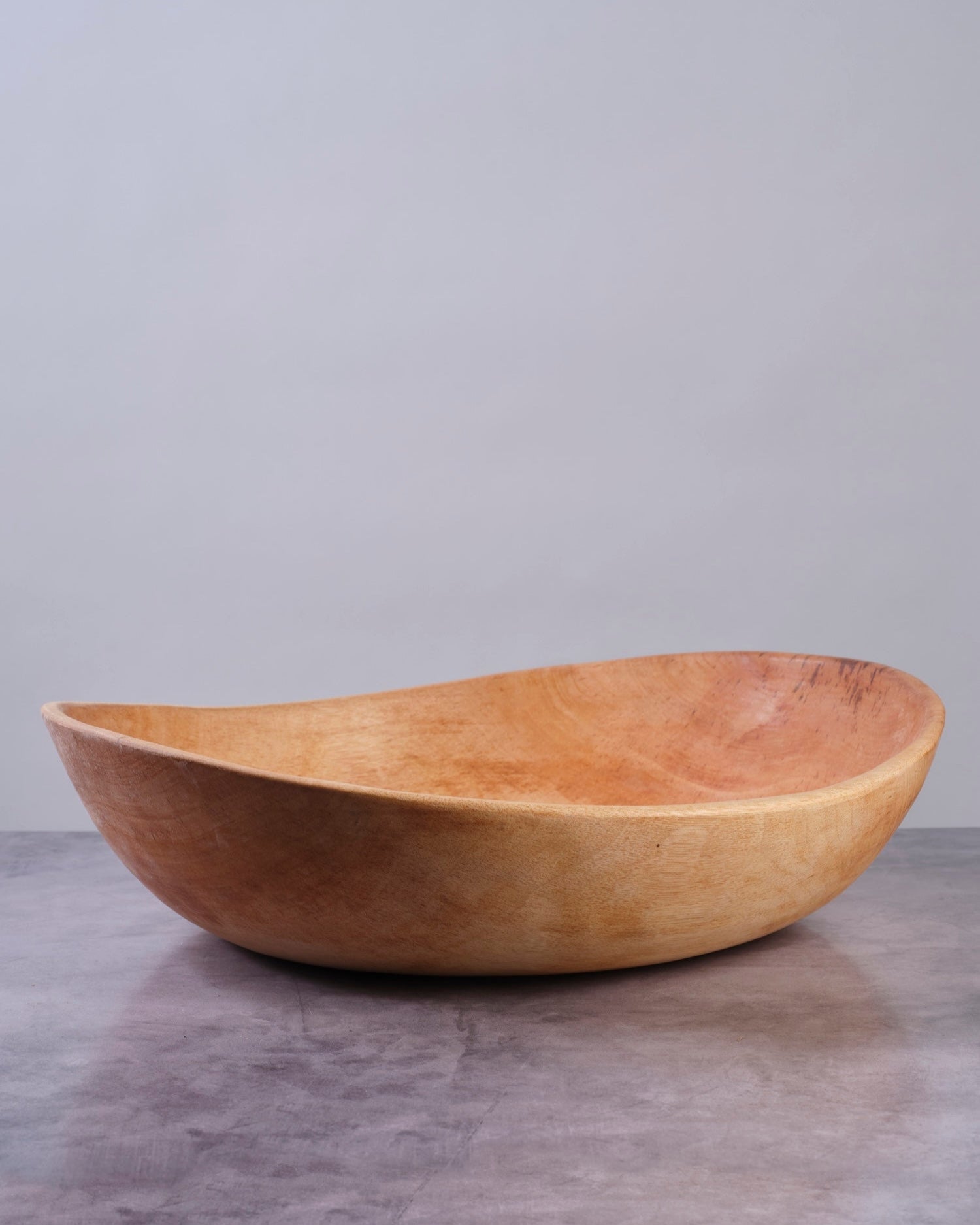
Terraklay.com banana fiber storage baskets ethically made in India for your home and  conscious lifestyle. Receive $10 off on your first order.

JOIN US!

Enjoy $10 off on your first order of $50+

Simple, enjoyable, and responsible goods and decor for your home.
*Offer valid for our first time subscribers only.

  • Log in
  • Cart (0)
  • Checkout
TerraKlay.com handmade luxury artisanal home goods and decor from global artisans.
  • Wooden Serveware
    Large 17 inch Contemporary "Wave" Wood Bowl

    Contemporary Wood Bowls

    Classic Round Wood Bowls  

    XXL 24" Classic Round Wood Bowl
    XL 20" Classic Bowl
    Large 17" Classic Round Wood Bowl
    Medium 14" Classic Round Wood Bowl
    XXL 24" Shallow Serving Bowl
    Best Sellers

    Contemporary Wood Bowls  

    XL 20" Contemporary "Wave" Bowl
    Large 17" Contemporary "Wave" Bowl
    Large 18" Serving Wood Bowl
    Rectangular XL Wooden Bowl, Tray
    Large 17" Nesting Square Wood Bowl
    Medium 14" Nesting Square Wood Bowl

    Cake Stands & Oval Bowls  

    Wood Cake Stand
    Glass Cake Plate Stand
    XXL 28" Oval Wood Bowl
    Medium 19" Oval Bowl
    Medium 15.5 inch Oval Bowl with handles
    Extra Long 29" Bowl
    Long 18 inch Wood Bowl

    Boards & Utensils  

    Utensils
    Butcher Block Cutting & Charcuterie Boards
    Large Oval Board with Glass Dome
    Wood Platters and Trays

    World's Largest Hardwood Bowls, Handcarved from a Single Wood Block

  • BASKETS & DECOR 
    • BASKETS & STORAGE
    • PLANTERS & GLASS VASES
    • ARTWORKS & BOOKS
    • Throws and Pillows
  • KITCHEN 
    • KITCHEN LINENS
    • WOOD UTENSILS & TOOLS
    • CUTTING & CHARCUTERIE BOARDS
    • COLANDERS & BOWLS
    • GLASS SERVEWARE
    • BERRY BOWLS & PITCHERS
    • MUGS & CUPS
  • TABLETOP & DINING

    Dinnerware  

    Rosette Collection
    Amira Collection
    Nigella Collection
    Haqima Collection
    Stripe Collection
    Blue Fish Collection
    Rainbow Fish Collection

    Tapas Servers & Platters

    Wood Bowls & Trenchers  

    24" Bowl
    20"Bowl
    17" Bowl
    14" Bowl
    Other Wood Bowls
    Wooden Trenchers & Platters

    Drinkware & Bar  

    Decanter & Bottles
    Margarita & Wine Glasses
    Stacking & Drinking Glasses

    TABLE LINENS  

    Cotton Napkins
    Tablecloths
    Table Runners
    Placemats and Coasters
    Best Sellers

    Mugs & Tumblers

  • Gift Ideas
  • On Sale
  • ABOUT US 
    • OUR STORY
    • ARTISAN PARTNERS
    • BLOG
    • CONTACT US
    • PRESS
  • Wooden Serveware
  • Large 17 inch Contemporary "Wave" Wood Bowl

    Contemporary Wood Bowls

    Classic Round Wood Bowls  

    XXL 24" Classic Round Wood Bowl
    XL 20" Classic Bowl
    Large 17" Classic Round Wood Bowl
    Medium 14" Classic Round Wood Bowl
    XXL 24" Shallow Serving Bowl
    Best Sellers

    Contemporary Wood Bowls  

    XL 20" Contemporary "Wave" Bowl
    Large 17" Contemporary "Wave" Bowl
    Large 18" Serving Wood Bowl
    Rectangular XL Wooden Bowl, Tray
    Large 17" Nesting Square Wood Bowl
    Medium 14" Nesting Square Wood Bowl

    Cake Stands & Oval Bowls  

    Wood Cake Stand
    Glass Cake Plate Stand
    XXL 28" Oval Wood Bowl
    Medium 19" Oval Bowl
    Medium 15.5 inch Oval Bowl with handles
    Extra Long 29" Bowl
    Long 18 inch Wood Bowl

    Boards & Utensils  

    Utensils
    Butcher Block Cutting & Charcuterie Boards
    Large Oval Board with Glass Dome
    Wood Platters and Trays

    World's Largest Hardwood Bowls, Handcarved from a Single Wood Block

  • BASKETS & DECOR 
    • BASKETS & STORAGE
    • PLANTERS & GLASS VASES
    • ARTWORKS & BOOKS
    • Throws and Pillows
  • KITCHEN 
    • KITCHEN LINENS
    • WOOD UTENSILS & TOOLS
    • CUTTING & CHARCUTERIE BOARDS
    • COLANDERS & BOWLS
    • GLASS SERVEWARE
    • BERRY BOWLS & PITCHERS
    • MUGS & CUPS
  • TABLETOP & DINING
  • Dinnerware  

    Rosette Collection
    Amira Collection
    Nigella Collection
    Haqima Collection
    Stripe Collection
    Blue Fish Collection
    Rainbow Fish Collection

    Tapas Servers & Platters

    Wood Bowls & Trenchers  

    24" Bowl
    20"Bowl
    17" Bowl
    14" Bowl
    Other Wood Bowls
    Wooden Trenchers & Platters

    Drinkware & Bar  

    Decanter & Bottles
    Margarita & Wine Glasses
    Stacking & Drinking Glasses

    TABLE LINENS  

    Cotton Napkins
    Tablecloths
    Table Runners
    Placemats and Coasters
    Best Sellers

    Mugs & Tumblers

  • Gift Ideas
  • On Sale
  • ABOUT US 
    • OUR STORY
    • ARTISAN PARTNERS
    • BLOG
    • CONTACT US
    • PRESS
News

How to Care for a Wooden Cutting Board

September 21, 2026

How to Care for a Wooden Cutting Board

To care for a wooden cutting board, wash it by hand in warm water with a drop of dish soap, wet both faces, towel-dry it, and stand it on edge to finish drying. Oil it with food-grade mineral oil once a month, sooner if water soaks straight in rather than beading. Never use the dishwasher, and never let it soak.

That paragraph is the whole job. The rest is the reasoning and the edge cases: why drying flat warps a board, which oils are safe, what to do when the surface feels fuzzy.

How to clean a wooden cutting board

  1. Scrape before you wash. Push crumbs and scraps off with the back of your knife — less food on the board means less soap and water.
  2. Wash by hand in warm water with a drop of mild dish soap. A soft sponge or cloth, worked along the grain, is all it takes. Skip steel wool, scouring pads and anything abrasive.
  3. Wet both faces, even if you only used one. Wood swells where it is wet, and a board wetted on one face only starts bending before you have finished the dishes, so give the underside a quick rinse too.
  4. Rinse fast and towel-dry immediately. Water should be on the board for seconds, not minutes.
  5. Stand it on edge to finish drying. Lean it against the backsplash or set it in a rack so air reaches both faces overnight before it goes back in the cupboard.

Why never the dishwasher: a dishwasher holds the board in hot standing water and degreasing detergent for the better part of an hour — enough to strip the finish, raise the grain, crack a solid board, and start working open the glue joints in a pieced one.

Why never a soak: soaking is the dishwasher without the heat. The wood swells, the grain lifts, and the board comes out rough and pale. If something has dried on, hold the board under running water and scrub — a minute of patience shifts anything a soak would.

Dry it on edge, not flat — this is what warps boards

Wood swells as it takes water in and shrinks as it dries. A warped board is almost never a defective board — it is a board whose two faces dried at different speeds.

Lay a damp board flat on the counter and only the top face can dry. The top shrinks while the underside, sealed against the countertop, stays swollen, and the board cups — curls up across its width. The same thing happens in slow motion to a board always washed on one side, or stored with one face toward the stove's heat.

Standing the board on edge removes the whole problem: both faces meet the air and dry at the same rate, and the board stays flat. Keep it away from radiators, direct sun and the oven's warmth while it dries — fast drying is uneven drying.

How often to oil a cutting board, and which oil to use

How often: about once a month with regular use. A new board, or one you have just sanded, drinks more — oil it weekly for its first month. Dry winter air pulls moisture out faster, so tighten the schedule through winter.

The water-bead test takes out the guesswork. Sprinkle a few drops of water on the surface. If they sit up in beads, the finish is still doing its work. If they flatten and soak straight in, darkening the wood, the board is due.

Which oil: food-grade mineral oil, USP grade. It is inert, tasteless and allergen-free, and — the property that matters most — it does not oxidize, so it can sit in the wood indefinitely without going rancid. Olive, vegetable, canola and sunflower oil are cooking oils, and they behave in a board the way they behave in a forgotten frying pan: they oxidize, turn sticky, and leave a stale smell that is very hard to get out. Rubbing in olive oil is the most common way a good board is spoiled at home. Our Wood Conditioning Kit pairs a food-safe board oil with a microfiber cloth — it is what we use on the boards ourselves. If there are wooden bowls in your kitchen too, our bowl care guide compares the full range of food-safe oils; the verdict is the same.

How to oil a board:

  1. Start with a board that is clean and completely dry — overnight-dry, not just towel-dry.
  2. Pour on a generous amount of oil and spread it with a soft cloth, working along the grain. Cover both faces, all four edges, and any carved detail — a juice channel, a handle cutout — where water likes to linger.
  3. Let it soak in overnight, standing on edge so air reaches both faces.
  4. In the morning, wipe off whatever has not absorbed and buff the surface dry.


When the surface feels rough: sanding lifted grain

Knife work, soap and too much time in water all pull the surface fibers upward, until the board feels fuzzy under your fingertips instead of smooth. This is normal wear, not damage, and the fix is the one we print with every board we sell: smooth with fine-grit sandpaper, then oil.

Work on a board that is fully dry. Sand along the grain with fine paper — 320 to 400 grit — in light, even passes until the surface feels smooth again. Wipe away the dust with a barely damp cloth, let the board dry, then oil straight away, because sanding exposes thirsty new wood. On the pieced teak boards, keep the passes light and level across the seams.

That small cycle — sand, oil, back to work — is why an oiled board gets better with age instead of wearing out.

Getting onion and garlic out of the wood

Smells live in the top layer of the wood, not deep in the board. Cover the surface with coarse salt, cut a lemon in half, and scrub with the cut face, pressing the salt into the wood. Leave it for ten minutes, rinse quickly, and dry the board on edge. The same scrub lifts most food stains. If a smell survives, spread a thick paste of baking soda and water over the board for a quarter of an hour, then rinse, dry and re-oil. Anything that outlasts both is living in a rough, lifted surface: sand it as above, and the smell leaves with the fibers.

Cutting board care questions, quickly answered

How do you treat a cutting board?

Treating a board means oiling it. Start clean and completely dry, flood the surface with food-grade mineral oil, spread it over both faces and all four edges, leave it overnight, and wipe off the excess in the morning. Do this monthly, and weekly for a brand-new board.

How often should you oil a cutting board?

Once a month with regular use, weekly for the first month of a new board's life, and more often in dry air. When in doubt, drop water on it: beads mean the finish is fine; soaking straight in means it is time.

What is the best oil for a cutting board?

Food-grade mineral oil, USP grade. It never goes rancid, carries no taste and no allergens, and costs little. A beeswax-and-mineral-oil blend over the top adds water resistance and sheen if you want it. Never use a cooking oil.

Can you use olive oil on a cutting board?

No. Olive oil oxidizes inside the wood and goes rancid, leaving a sticky surface and a stale smell that soap will not remove. The same goes for vegetable, canola and sunflower oil. If it belongs in a dressing, it does not belong in the board.

Can you put a wooden cutting board in the dishwasher?

No. One cycle of prolonged heat, standing water and harsh detergent can strip the finish and crack a solid board, and a pieced board has it worse: the cycle attacks the glue joints, and the board can start coming apart at the seams.

Why did my cutting board warp, and can it be fixed?

It dried unevenly — usually by lying flat while damp, so one face shrank while the other could not. A mild cup will often relax: lay the board hollow-side down on a damp towel for a few hours so the dry face takes moisture back, then weight it flat overnight, finish drying on edge, and re-oil both faces. Pieced boards are less likely to recover, which is one more reason to dry them on edge from the start.

How do you get garlic smell out of a wooden cutting board?

Scrub it with coarse salt and the cut face of half a lemon, leave the salt on for ten minutes, rinse, and dry on edge. A stubborn smell gives way to a baking-soda paste; anything that survives both is held in lifted surface fibers, so sand and oil.

Are wooden cutting boards sanitary?

Yes — washed and properly dried, a wooden board is a safe work surface; we walked through the research, including the UC Davis work, in our article on whether wooden boards are actually sanitary.

Should you oil both sides of a cutting board?

Yes — both faces and all four edges, every time. A board oiled on one face only exchanges moisture unevenly side to side, and uneven moisture movement is exactly what cups a board. The two ends drink fastest of all, so do not skip them.


Tweet Share Pin It Email

Leave a comment

Comments will be approved before showing up.

Also in News

Sustainable Hostess and Housewarming Gifts, by Occasion and Budget

September 08, 2026

Continue Reading

Are Wooden Bowls and Wooden Cutting Boards Sanitary? What the Research Actually Says

September 02, 2026

Continue Reading

Heirloom Wedding Gifts: Why a Hand-Carved Wooden Bowl Is the One They'll Still Be Using in Forty Years

September 01, 2026

Continue Reading

HELP
  • FAQ
  • SHIPPING
  • REFUND POLICY
  • TERMS
  • AFFILIATES
  • GIFT CARD
Sign up for our newsletter

Get $10 off your first order and get the latest on sales, new releases and more…

Get In Touch

Info@TerraKlay.com

Contact Form


© 2026 TerraKlay. Powered by Shopify